Dr Sachin Agarwal: From Ahmedabad Childhood to Heading Jamnagar’s Medicine Unit
Raised by his uncle after his father's early death, Dr Sachin Agarwal chased a family dream, lost a seat he wanted, and found his place in Jamnagar.
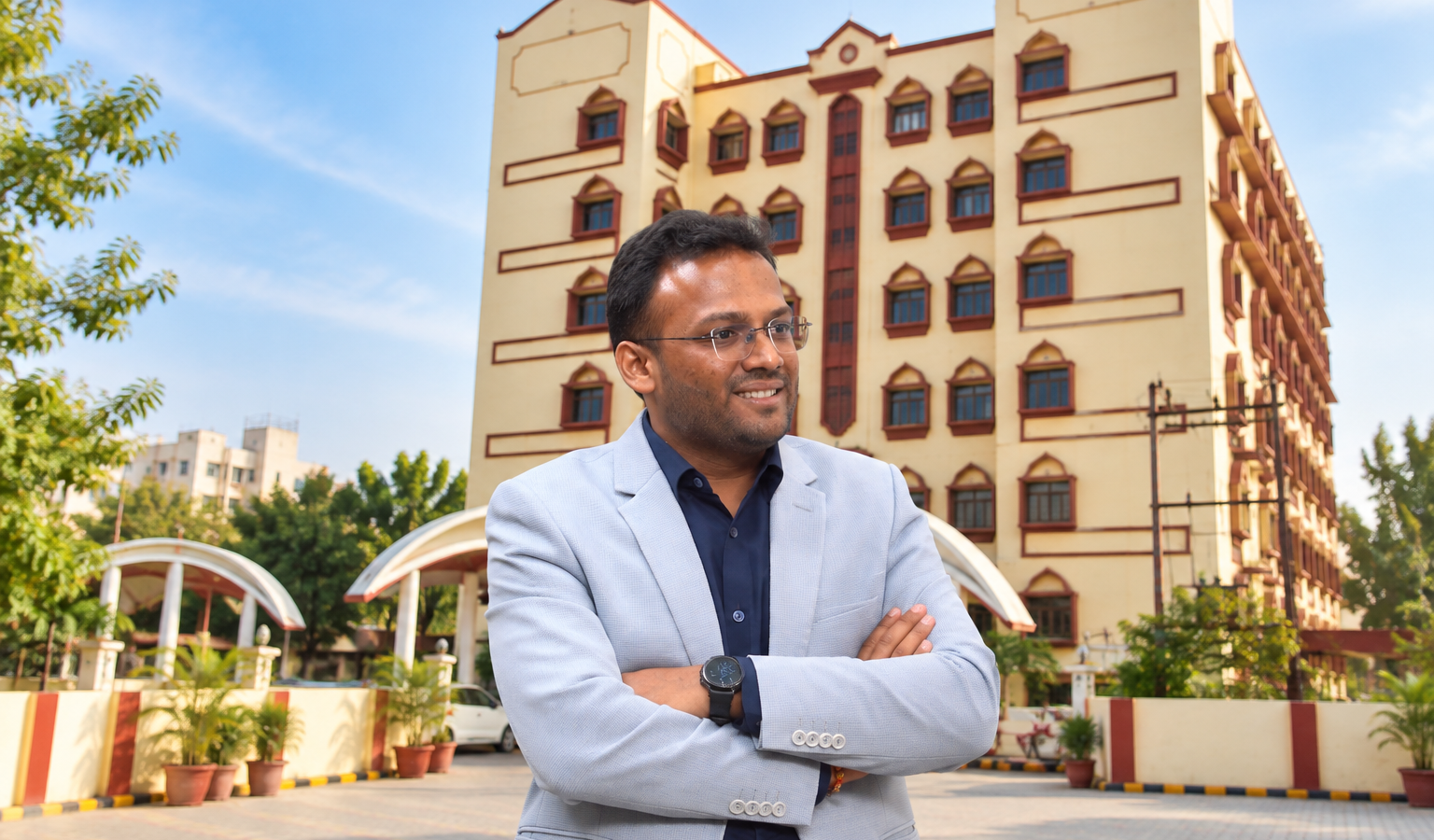
The day he accepted a paediatrics seat, Dr Sachin Agarwal went home and cried.
He had cleared his postgraduate entrance exams. Government colleges had offered him paediatrics and gynaecology. On paper it was a success. But his heart was set on medicine. When his mother asked why he was crying, he told her he had wanted general medicine and was being made to compromise on his branch. "I did join that day," he recalls, "but I cried a lot at home."
Today he is a consultant physician, a critical care specialist and the director of Aayush Hospital in Jamnagar. The road there began in a crowded home in Ahmedabad.
A boy raised in a house of eight or ten
Dr Agarwal was born in Ahmedabad in 1995. His father, the youngest of three brothers, died early, and his uncle took over his upbringing. The uncle already had four sons and two daughters, and the family belonged to what Dr Agarwal calls a very lower middle class background. Making room for one more child in a household of eight to ten people was no small thing.
He says he was looked after as well as, or better than, the uncle's own six children. That care stayed with him. "My family was doing so much for me," he says, and he felt a duty to give something back.
The uncle also had a dream. He wanted a doctor in the house, and he often said a family should have a doctor, a lawyer and someone in the police. He tried with his two older sons, but for reasons of merit or otherwise they did not become doctors. The second son became a lawyer. Young Sachin, who had always been bright in studies, now carried the unfinished dream.
After Class 10, he hesitated over biology or maths. He worried that without a merit seat, the family could not afford donations. His uncle told him to just fill in the form and leave the rest to him. Good marks in Class 12 followed, and then a seat at Baroda Medical College.
The wards that settled the question
He joined MBBS in 2013. In 2014, clinical postings began, and students were sent to wards to examine real patients. Resident doctors explained the symptoms, how to reach a diagnosis and how treatment worked, then showed the same things at the bedside.
It was during these postings that he knew. Medicine was his field, and he decided that if he became anything, it would be an MD in Medicine. He prepared for the entrance exams and cleared them.
Then came the counselling rounds. In the first two, medicine did not come. That was the paediatrics allotment and the tears at home.
A mop-up round, a fee and a father's word
The turn came at the mop-up round in Gandhinagar, held face to face in order of merit rank. As other candidates moved or left seats, two medicine seats opened for him, one at Rajkot Civil Hospital and one at LG Hospital in Ahmedabad. "I don't know what miracle God did," he says with a smile.
The Rajkot seat in a government college was free of cost. LG carried a substantial fee. His uncle, whom he calls papa, settled it. Sachin had already spent five years away in Baroda, and now he should stay at home in Ahmedabad. The family would pay the fees.
He completed his residency from 2019 to 2022. LG gave him exposure that he says he never lacked. His MBBS and postgraduate training had both been in busy government-linked hospitals, with 100-plus emergency admissions at a time.
Why a calm town beat a big city
Many colleagues and teachers asked him why he would leave Ahmedabad for Jamnagar. His answer is about temperament. "I am a calm person by nature. I don't like too much chaos." He had lived in Baroda and Ahmedabad, and the traffic and pace of a big city did not suit him.
Aayush Hospital approached him about a new unit in Jamnagar. It was a multispecialty hospital with 160 beds, and the offer was to run a medicine unit single-handedly with a free hand. He took it to his uncle, who suggested a one-year trial.
The year became a stay. He says the people of Jamnagar accepted him, though he came from a big city, with roots in Rajasthan and an Ahmedabad upbringing. He found them welcoming and helpful. "I enjoyed working there," he says, and he remains with the Jamnagar unit.
On the job, he says, the seasons set his workload. Winter brings more strokes and heart attacks. Summer brings diarrhoea and typhoid. The mixed weather of monsoon brings more flu. His consistent message is that the body gives small signals, such as reduced urine or growing breathlessness, and that problems become critical when these are ignored.
What satisfies him, and what he still regrets
His best moments are quiet ones. He recalls a patient with severe pneumonia who spent about five days on a ventilator. The patient recovered, moved to a room and was discharged. A week later, the patient walked into his clinic for follow-up. "That is when you feel that the work you do is worth it," he says.
The regret is the opposite. When a patient worsens in front of his eyes after he has tried everything, he asks himself what more he could have done. Then he reminds himself that not everything is in human hands. "When our side is heavier, the patient gets well. When nature's side is heavier, nature wins."
He is also honest about the cost of the job. On some days he wishes for a calmer life in engineering or accounting, with fewer hours on standby and more time for family. Yet in 99 percent of cases, he says, the work still gives him a kick.
To students aiming for MD Medicine, he offers plain advice:
- Throw yourself into medicine postings from the MBBS years. If seniors do not teach you, go to them and learn anyway.
- Keep physiology, biochemistry, pharmacology and pathology strong, because medicine is about how normal function turns into disease.
- Treat every patient as precious, and treat history-taking as an art.
- Leave ego aside. Empathy matters. A smile and a patient's name, he says, can ease some of the illness.
He also stays current by reading journals, discussing cases with colleagues and following new trials. For a boy who once cried over a seat, his view now is steady: effort decides how much you learn, and patients are the best teachers.
Anyone worried about their own symptoms should speak to a qualified doctor rather than wait and watch.
More on Medvyn
 Health insight
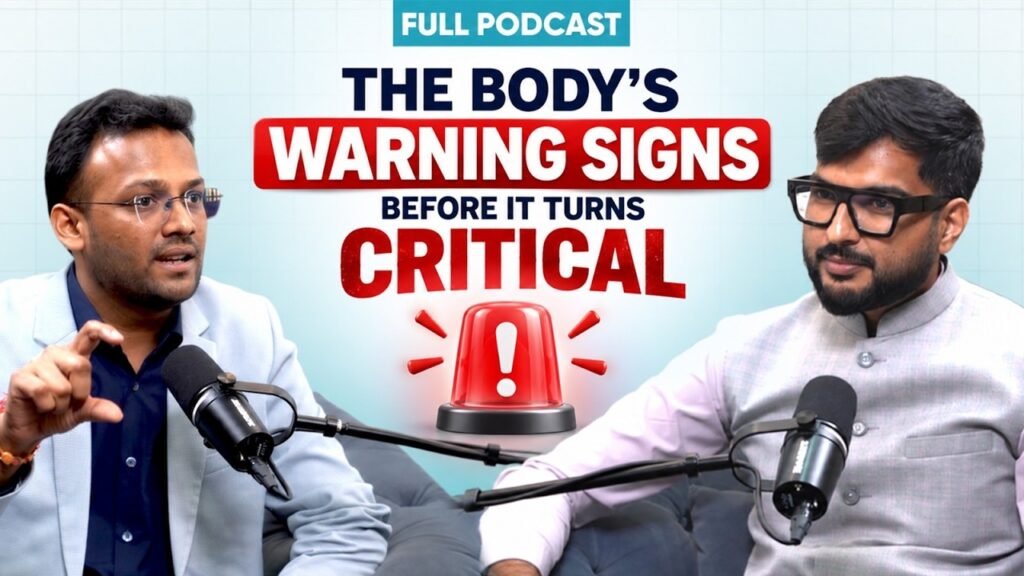
Weakness, Fever, Less Urine: Body Signals You Should Not Ignore
More with Dr. Sachin Agarwal
 Health news
Apollo Hospitals Starts AI-Assisted Stroke Care Programme in Hyderabad on World Stroke Day
New · 12 hours ago
 Health insight
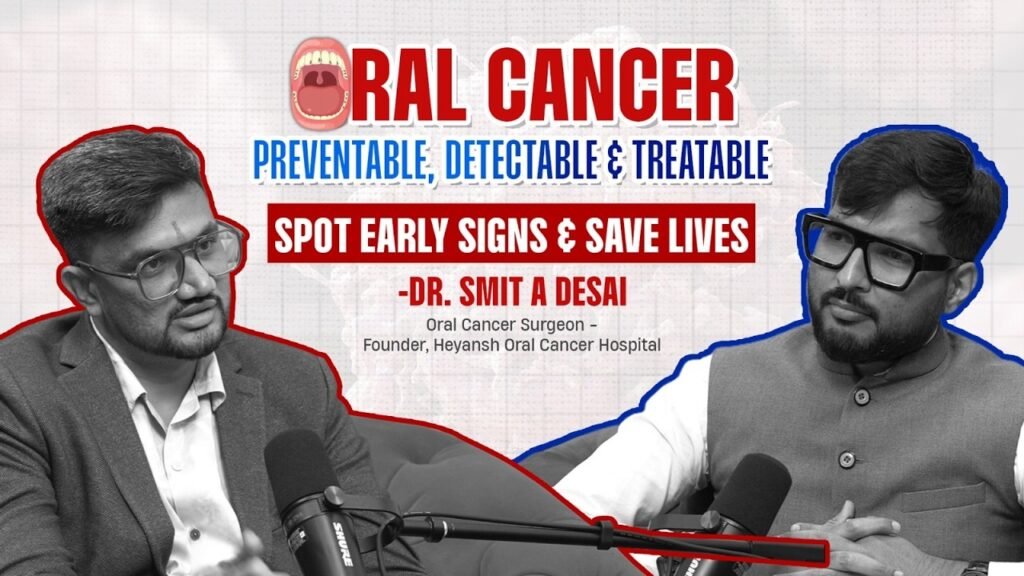
Oral Cancer Self-Check: Five Minutes in the Mirror Can Catch It Early
New · 1 day ago