
Fertility planning doesn’t have to start with a crisis. Increasingly, couples and individuals are turning to egg freezing, sperm freezing, and simple pre-marriage tests that can prevent bigger problems later.
How Egg Freezing Actually Works
Egg freezing was originally developed for young cancer patients, whose chemotherapy or radiotherapy would otherwise destroy their egg reserve. Today, however, it’s increasingly chosen by career-focused women who aren’t ready for marriage or pregnancy yet.
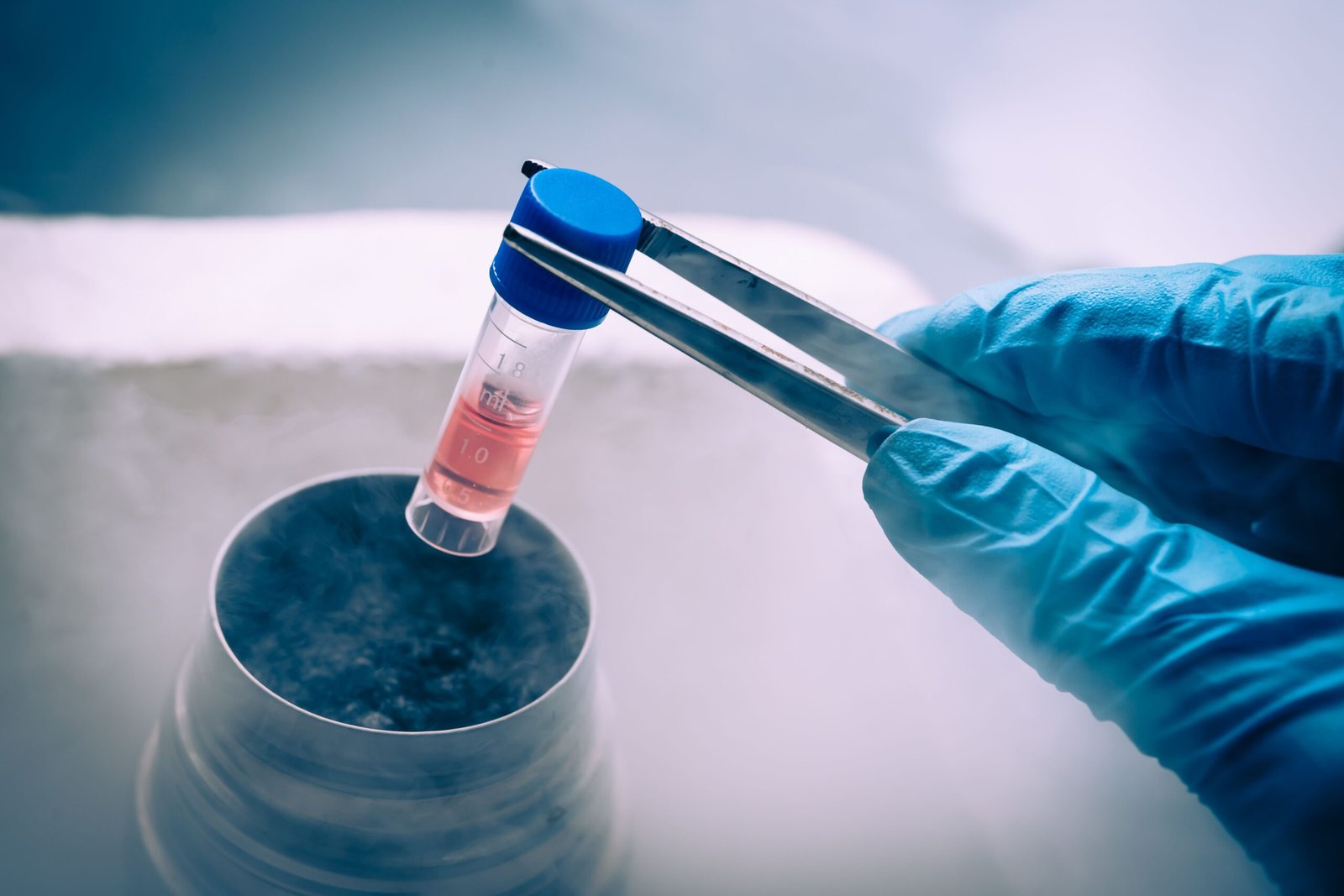
The egg freezing process itself is straightforward. Hormonal injections stimulate the ovaries, growing multiple eggs over several days. Once mature, the patient is sedated for 10 to 15 minutes while eggs are retrieved and frozen in liquid nitrogen at around -170 to -180°C. Remarkably, frozen embryos have remained viable for up to 30 years. When the woman is ready to conceive, the eggs are thawed, fertilized with sperm through ICSI, and transferred as an embryo.

Sperm Freezing Is Simpler, and Still Useful
Unlike egg freezing, sperm freezing requires no injections or sedation, just a sample. Because of that, it can be repeated multiple times to build a stronger sample pool. It’s especially valuable for men undergoing cancer treatment, and increasingly, oncologists now proactively raise this option before starting chemotherapy or radiotherapy.
Why Pre-Marriage Testing Matters Too
Beyond egg freezing and fertility preservation, a handful of pre-marriage tests can prevent serious complications down the line.
A thalassemia test is essential. If both partners are thalassemia minor, there’s a 25% chance their child could be thalassemia major, requiring monthly blood transfusions for life. Genetic counseling, or embryo screening through IVF, can rule this out before pregnancy even begins.
Four infection screenings, HIV, Hepatitis B, Hepatitis C, and Syphilis, should also come back negative for both partners. Additionally, the cervical cancer vaccine and rubella vaccine are recommended, since rubella infection during pregnancy can cause miscarriage or birth defects.
The Bigger Picture
None of this requires waiting for a problem to appear first. Whether it’s egg freezing for later, or ruling out risks before marriage, proactive planning simply gives couples more control over decisions that matter deeply.
For more evidence-based health guidance, explore our Health Insights section, or visit the Medvyn Job Portal for opportunities in healthcare.
Check out Full Podcast on Youtube
Source: Medvyn Podcast, featuring Dr. Kishor Kavad, Founder of Ansh IVF.
Leave a Reply